

Your wallet doesn't care about stuff anymore—if you're like most people. Here's the thing: the experience economy way consumers spend money is no longer some niche trend you can ignore at a business dinner or avoid in your budget meetings. Experience-led value is now outpacing product-led value, as consumers increasingly prioritize memorable and emotionally resonant spending over material goods. That shift isn't subtle. It's reordering how companies think about profit, how you spend your free time, and what success looks like in retail.
I watched this happen in real time last summer when my partner spent three weeks planning a trip to Portugal instead of buying the dining room furniture we'd talked about for two years. When I asked why, she said: "The sofa doesn't make memories." That's not poetic nonsense—that's the entire consumer psychology of 2026 in one sentence.
The Shift from Objects to Moments
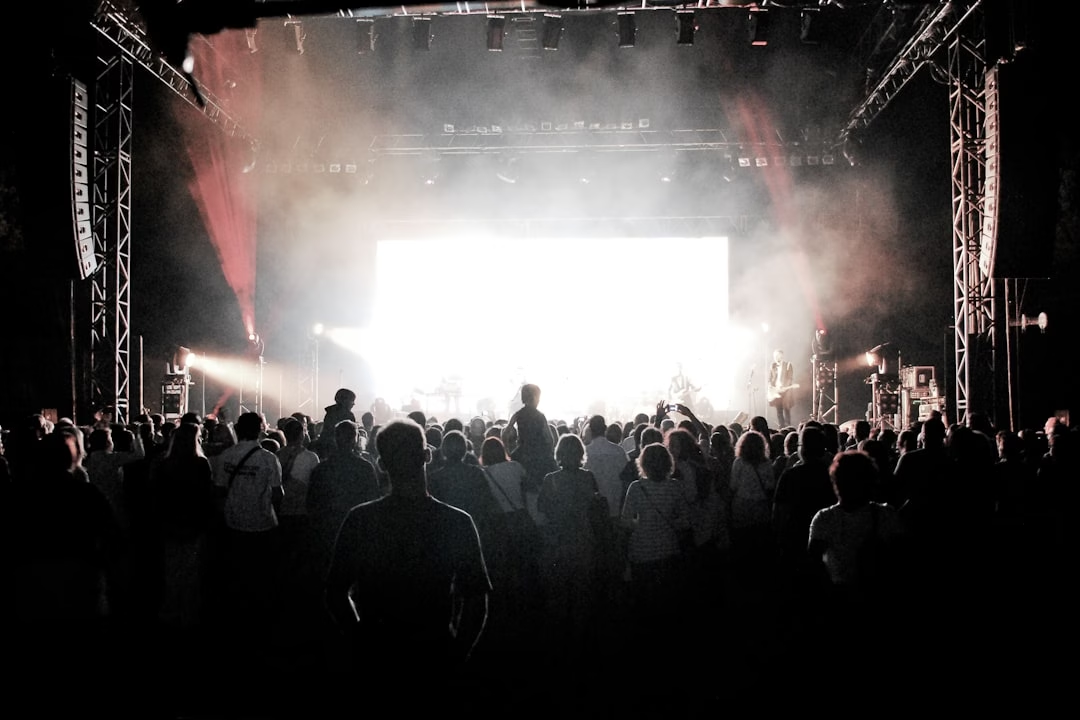
The experience economy way consumers spend is fundamentally different from how your parents approached money. Many consumers are putting their money where the memories are — opting to invest their disposable income in traveling, going to restaurants, concerts, and music festivals, or immersing themselves in other authentic experiences that resonate emotionally.
The numbers are staggering. Global consumer and business experiential marketing spending grew 8.3% to $138.94 billion in 2025 and is on pace to post accelerated growth of 10.3% in 2026. But here's what matters more than the headline: A record 45 million Americans traveled at least 50 miles from home over Memorial Day weekend, with the average traveler planning to spend $898 on the trip. Meanwhile, retail shopping on that same weekend saw people planning to spend just $86 on average—down 70% from the prior year.
Same holiday. Different priorities entirely.
While retail sales for traditional physical goods have stabilized at a modest growth of 3.6%, spending on services and experiences has surged by over 12%. That's not noise in the data—that's the sound of a permanent recalibration.
Experience Economy Way Consumers Spend on Travel and Entertainment
You're probably not surprised that travel is leading this shift. Even as financial pressures persist, the desire for moments that feel meaningful, memorable, or restorative outweighs the instinct to cut back. Which is wild when you think about it. People are squeezing elsewhere—trading down on groceries, delaying car purchases—but they're protecting their vacation budgets like fortress walls.
One in four UK consumers say they will spend more on memorable experiences and events this summer compared to last summer. In China, rail travel peaked at 18.7 million passengers in a single day during the recent Lunar New Year, highlighting a mobile population that prioritizes memories over material accumulation. This isn't regional—it's global.
Entertainment spending tells the same story. Hospitality and leisure's share of spending peaked at 37% in August 2024, with four years of consistent growth in travel spending since March 2021 and 42 out of 48 months of increased spending on entertainment year-on-year since May 2021.
That streak doesn't break by accident. It's locked in by psychology.
Why Experience Economy Way Consumers Spend Differently than Before
Here's where most articles get it wrong. They treat this as a temporary recession behavior—belt-tightening dressed up as wellness. That misses the actual story.
The preference for experiences over goods isn't new, but 2026 data suggests it has intensified in ways worth paying attention to. The acceleration matters. Why? Because social media has elevated the role of entertainment – transforming nights out, concerts and live events into shareable moments that help define identity and status. A new sofa sits in your living room. A concert lives forever on your feed (yes, really).
The psychological underpinning is what makes this structural, not cyclical. Chinese consumers, particularly Gen Z and Millennials, are increasingly viewing purchases through the lens of mental well-being and personal fulfillment. This isn't just a "consumption downgrade"; it's an upgrade in values. That mentality is spreading faster than you'd think.
When brands invest in the experience economy way consumers engage now, they're not just selling a moment—they're selling status, identity, and the digital proof that you live a full life. That's a more powerful lever than any product feature ever invented (I had to learn this the hard way after spending a decade writing about product benefits that nobody actually cared about).
The Experience Economy Way Consumers Spend Varies by Income Level
Here's the contradiction that matters: not everyone is spending on experiences equally, and the gap is widening.
More than 70% of high-income consumers plan to travel, and discretionary spending on experiences remains strong. They absorb price increases without major behavioral changes. Meanwhile, consumer spending growth in 2026 is driven mainly by affluent households, while middle and lower-income groups pull back as inflation erodes real purchasing power, causing consumers to trade down, defer purchases, and track expenses carefully.
This creates two consumer economies running parallel. One for people who can afford to prioritize moments. One for people still figuring out how to pay rent.
It's worth noting: The two categories holding up best are everyday necessities and high-value experiences for affluent consumers. That's not just a spending pattern—that's a narrative about who wins in an experience economy.
The Social Media Effect on Experience Spending
You already know this, but social media is the accelerant that turned preferences into religion.
Social media has elevated the role of entertainment – transforming nights out, concerts and live events into shareable moments. The experience economy way consumers behave is inseparable from documentation. You don't just go to a festival—you curate a story. That story creates social capital that a new appliance can never deliver.
98% of consumers create digital or social content at events, and effectively all of them share it. That's not optional performance anymore. It's how experiences are consumed. The event itself is sometimes secondary to the content it generates.
This feedback loop is self-reinforcing. The more people share experiences on social media, the more FOMO your peers feel, the more you prioritize experiences in your own budget, the more content flows, and the cycle turns again. Rinse, repeat, scale.
What Brands Need to Understand About Experience Economy Way Consumers Spend
If you run a brand or a business trying to compete for consumer dollars, you're watching a fundamental shift in how demand gets allocated.
86% of B2B marketers will increase event spending in 2026, though 55% will hold the number of events flat and concentrate on higher-impact experiences. That's the smart move—fewer, better activations instead of spray-and-pray marketing. 91% of consumers say that live brand experiences increase their likelihood to purchase, and 85% are more likely to buy after participating in a brand activation. Beyond purchase intent, 70% of attendees become repeat customers after an experiential event.
The metrics have shifted too. Attendance is no longer the primary KPI for campaigns producing the biggest wins. Instead, brands are measuring earned media value (how much coverage an activation generates organically), social lift, and repeat purchase behavior.
The experience economy way consumers spend now requires brands to think differently about ROI. You can't just count heads at a pop-up anymore. You measure how many people turned into advocates. How the activation performed across social. Whether attendees actually bought, and whether they came back.
That's a harder sell to CFOs (whose scrutiny of marketing budgets is up 52% year-over-year, by the way). But it's also why experiential marketing isn't a sidebar anymore. Experiential marketing now captures 38% of the marketing services industry share, surpassing digital advertising at 35%. Somewhere around 2024-2025, the industry shifted. Experiences became the main event.
Frequently Asked Questions
What is the Experience Economy and How does the Experience Economy Way Consumers Spend Differ from Traditional Shopping?
The experience economy way consumers spend refers to prioritizing spending on memorable events, travel, dining, and entertainment over material goods. Traditional shopping focuses on acquiring products; experience spending prioritizes emotional fulfillment and social memories. Research shows this shift is structural—not cyclical—driven by social media amplification and the desire for meaningful moments that feel well-spent.
Why are Consumers Choosing Experiences Over Products in the Experience Economy Way Consumers Spend?
Consumers are increasingly viewing purchases through the lens of mental well-being and personal fulfillment. Experiences create digital content and social status that products cannot. Additionally, the desire for moments that feel meaningful, memorable, or restorative outweighs the instinct to cut back even during economic pressure, making experiences a higher psychological priority.
Is the Experience Economy Way Consumers Spend Happening Everywhere or Just in Wealthy Markets?
It's global. The experience economy is accelerating in emerging markets such as India, where rising incomes and a young, urban consumer base are driving strong demand for live events, travel, and entertainment, with hotels and hospitality providers benefiting from higher occupancy and premium pricing. However, affluent consumers show the strongest demand, absorbing price increases without major behavioral changes, while middle and lower-income groups remain more price-sensitive.
How Has Social Media Changed the Experience Economy Way Consumers Spend on Entertainment?
Social media has made experiences shareable and status-signaling. 98% of consumers create digital or social content at events and share it, turning experiences into portfolios of identity. This amplification creates FOMO that drives spending allocation toward moments that perform well digitally.
Will the Experience Economy Way Consumers Spend Continue to Grow Through 2026 and Beyond?
Yes. Experiential marketing spending is on pace to post accelerated growth of 10.3% in 2026, while retail remains flat or modest. Experiential marketing now captures 38% of the marketing services industry share, surpassing digital advertising at 35%. This isn't a trend reverting—it's the new baseline.
The Real Takeaway
The experience economy way consumers spend isn't coming. It's here, embedded, reshaping every layer of retail and marketing.
Stop treating experiences as a nice add-on to your marketing mix or a discretionary line item in your budget. For affluent consumers, it's the primary allocation. For brands, it's the fastest-growing channel. For you personally, it's probably why you're reconsidering that sofa and booking a trip instead.
The winners aren't the companies selling the most stuff anymore. They're the ones creating moments that people want to document, share, and repeat. Moments that become memories. Memories that become identity.
That's not poetry. That's business.
Disclaimer: This article is for general informational purposes and is not financial or investment advice. Markets, products, tax rules, and regulations vary by country and change frequently. Consult a licensed financial advisor, qualified investment professional, or other relevant licensed expert in your jurisdiction before making any investment, lending, insurance, or tax-planning decision.

