

Longevity major consumer lifestyle is no longer a fringe concept reserved for Silicon Valley biohackers and billionaires on life-extension retreats. The longevity-focused market is forecast to reach around $610 billion by 2026, and consumers across all demographics are flooding into this space with real money, real expectations, and real questions about whether spending $200 a month on NAD+ boosters actually adds years to your life. What's happening right now — in 2026 — is a fundamental shift in how ordinary people think about aging. It's not about vanity anymore (well, partly it is). It's about optimization, personalization, and the belief that your biological age doesn't have to match your calendar age.
The truth? You can't escape this trend even if you wanted to. Your grocery store has an aisle dedicated to anti-aging supplements that didn't exist five years ago. Your gym is now offering genetic testing packages. And somewhere on your social media feed, someone is pitching you a $79 collagen powder while waving biomarker data around like proof of immortality. This article cuts through the hype to show you what's actually driving longevity major consumer lifestyle, where the real money is flowing, and what this means for how you might approach your own health and aging.
The Numbers Don't Lie: Longevity Major Consumer Lifestyle is Exploding
Let's start with the raw scale of this shift. The longevity market is valued at USD 27.61 Billion in 2025 and is projected to reach USD 67.03 Billion by 2035, growing at a CAGR of 9.41% during 2026–2035. But here's the thing — that's just the "longevity market" sliced one way. The broader anti-aging and wellness space? Much bigger. The anti-aging market currently in 2026 records USD 84.41 billion and is anticipated to grow to USD 137.13 billion by 2035, advancing at a CAGR of 5.54%.
What makes this different from past wellness booms is the money — and the velocity. These aren't predictions anymore. These are actual 2026 figures. And the global longevity and general wellness supplements market size is likely to be valued at US$7.4 billion in 2026 and is expected to reach US$12.9 billion by 2033, growing at a CAGR of 8.3%, driven partly by rising consumer focus on preventive healthcare and increasing demand for science-backed ingredients such as NAD+ boosters and adaptogens.
You're watching a multi-billion-dollar industry consolidate in real time.
Supplements and "Beauty from Within" are the Money Movers
Here's where the skepticism kicks in for most people. Supplements. Again. Aren't we all tired of taking pills that promise everything and deliver… inconclusive results?
Turns out, consumers aren't tired of it. They're excited about it. Nutraceuticals & Dietary Supplements held the largest market share of 28.05% in 2025, and the specific products driving growth show real market sophistication.
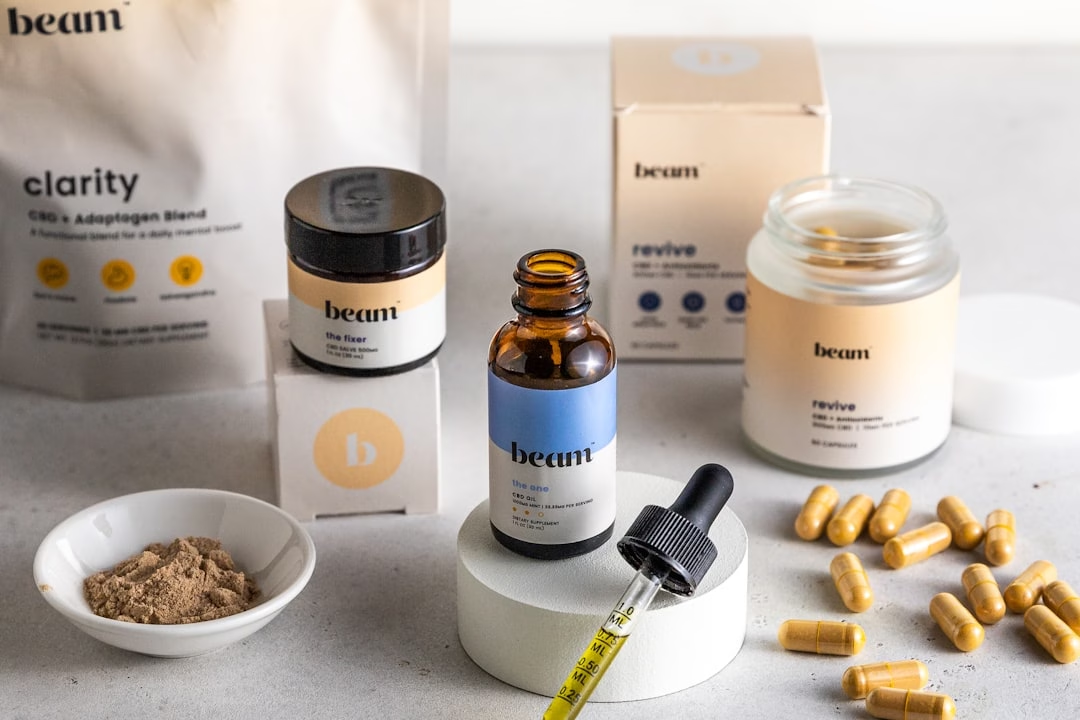
In 2026, the space saw genuine innovation. In 2026, USANA introduced Glow, a cellular-level skin supplement combining collagen support with antioxidant protection. Nature's Bounty launched Age-Defying Skin Renewal, targeting five visible signs of aging with ceramides and green tea extract. These aren't just collagen powders in fancy bottles (though plenty of those exist too). These are formulated products backed by ingredient research.

The "beauty from within" category — think collagen, NAD+ boosters, skin-supporting amino acids — has momentum because it offers something topical skincare can't: the promise of aging from the inside. And it's not just women driving this either. Women represented 79.05% of the 2025 revenue base, but men's products are set to grow fastest at 6.74% CAGR to 2031. (Yes, really. Men are quietly spending serious money on this category now.)
Why Longevity Major Consumer Lifestyle is Actually Different this Time
You've seen wellness trends come and go. Remember when everyone was doing juice cleanses? Coconut oil everything? The superfood rotation that happens every 18 months?
Longevity major consumer lifestyle feels different because it's backed by real science — or at least, people genuinely believe the science is there. The expanding application of genomics, biomarkers testing, artificial intelligence tools, and personalized approaches in longevity centers drive market growth. You can now get a genetic test, upload your biomarkers to an app, and receive personalized supplement recommendations based on your epigenetic data. Sounds like science fiction from ten years ago.
I spent an afternoon in March at a "longevity clinic" in Austin, Texas, watching people shell out $2,500 for genetic testing packages. A woman in her fifties was getting her "biological age" calculated via some proprietary algorithm, while a dude in his thirties was stacking five different supplements based on his carrier status for cardiovascular markers. Was any of it going to add years to their lives? Honestly, unclear. But they believed it would, and that belief is bankrolling an entire industry.
The key shift: Over 50% of consumers and wellness centers were seen to be adopting or interested in AI-powered health monitoring tools and personalized longevity solutions in 2025. The personalization angle matters. You're not just buying a supplement anymore; you're buying your supplement, customized to your genetic profile and your specific aging risk factors. That's a different product category entirely.
The Distribution Shift: From Health Store to Everywhere
Five years ago, if you wanted serious anti-aging supplements, you went to a specialty health store or ordered online. In 2026, distribution has democratized — and fragmented — in interesting ways.
Health and beauty stores led with 46.10% of 2025 sales, yet online retail is advancing at an 7.71% CAGR through 2031. That online growth is the story. Direct-to-consumer brands have exploded. Instagram influencers are actively selling personalized supplement protocols. And pharmacy chains are stocking longevity supplements right next to the vitamins.
More specifically, Niagen Bioscience partnered with Truemed to allow U.S. consumers to purchase Tru Niagen products using HSA and FSA funds. This initiative enhances affordability and strengthens healthcare-linked direct-to-consumer channels. That's a fascinating detail — because it positions longevity supplements as healthcare, not just wellness. Your insurance company's health savings account now sees aging prevention as a legitimate medical expense.
Geographic Fracture: Asia-Pacific is the Real Growth Story
If you think longevity major consumer lifestyle is a primarily Western phenomenon, you're missing the actual growth engine.
The Asia-Pacific Longevity Market is the fastest-growing region, projected to expand at a CAGR of 11.25% during 2026–2035. That's faster than North America, faster than Europe, faster than everywhere else. The China anti-aging products industry accounted for a revenue share of 34.5% of the Asia Pacific market revenue in 2025. Demand for anti-aging products in China is strongly driven by early adoption of preventive skincare, with consumers, particularly women and urban professionals, integrating anti-aging products into daily routines from their mid-20s onward.
Think about that. Twenty-five-year-olds in Shanghai are already on anti-aging protocols. The longevity industry is becoming a generational norm in Asia faster than anywhere else.
North America still dominates in absolute terms, sure. North America holds approximately 42% of the longevity market in 2026, generating around $12 billion in revenue. The United States accounts for 85% of this total. But the growth velocity is in Asia-Pacific. And that matters for forecasting where consumer expectations — and product innovation — will shift in the next few years.
Technology as the Secret Sauce: Genomics, Biomarkers, and AI
Here's where longevity major consumer lifestyle stops being about fancy vitamins and starts being about data.
By Technology Type, Genomics & Epigenetics dominated with a 24.25% market share in 2025, whereas Biomarker / Aging Clock Technologies are projected to record the fastest CAGR of 12.49% through 2026–2035. Companies like Elysium, InsideTracker, and Humanity are selling expensive dashboards that track your biological age markers. You get regular blood work, upload your data, and receive monthly reports on whether you're "aging backward" or not.
Is this actionable? Sometimes. Is it overhyped? Absolutely. But it's also real money changing hands. Within the "public health, prevention and personalized medicine" segment, the now $147 billion personalized medicine market is expected to see a rapid 9.3% yearly growth through 2029, as longevity-seeking consumers rush to diagnostic services and personalized health optimization.
The catch? Most of these biomarkers correlate with aging, but they don't prove causation or predict lifespan with high accuracy. You might learn that your biological age is 35 when your calendar says 42, and that's… interesting information. But does it change what you should actually do? That's where the science gets murkier. Still, people are paying $150-$400 per year for these dashboards, and demand is climbing.
Frequently Asked Questions
What Exactly is the Longevity Major Consumer Lifestyle Industry?
The longevity major consumer lifestyle industry encompasses products and services designed to slow aging, extend lifespan, and improve quality of life as you age. This includes supplements, skincare, genetic testing, personalized medicine, fitness programs, health monitoring devices, and wellness services. It's distinct from traditional healthcare in that it focuses on prevention and optimization rather than treating disease.
Is Longevity Major Consumer Lifestyle Actually Backed by Science?
Partially. Some aspects — like exercise, sleep, stress management — have strong evidence. Others, like specific supplement regimens or biological age trackers, have emerging evidence but aren't yet proven to dramatically extend human lifespan. Most products lean on correlative data and cellular studies rather than long-term human trials. It's more sophisticated than snake oil, but still more marketing than certainty.
How Much Should I Realistically Spend on Longevity Major Consumer Lifestyle Products?
That depends on your priorities and budget. A baseline might be $50-$150 monthly on quality supplements and some form of fitness. Premium personalized options (genetic testing, monthly biomarker tracking, longevity clinic memberships) can run $200-$1,000+ monthly. The evidence suggests diminishing returns beyond the basics: sleep, strength training, stress management, and whole-food nutrition will get you 80% of the way there.
What's Driving the Longevity Major Consumer Lifestyle Boom Right Now?
Aging demographics (older populations = bigger demand), technological advances (genetic testing is now cheap and accessible), social media (influencers normalize health optimization), and a genuine shift in how people think about aging. People no longer accept aging as inevitable decline — they're treating it as a modifiable risk factor.
Are There Any Red Flags in the Longevity Major Consumer Lifestyle Industry?
Yes. Unproven claims, expensive tests that don't change your actual treatment plan, predatory marketing targeting anxious affluent consumers, and the risk of over-optimization. You can spend thousands chasing biomarkers that might not matter. Also: most of the longevity-specific research has only been done in mice. Human data is still catching up.
The Real Takeaway: You Don't Need to be Rich to Participate
Here's the thing about longevity major consumer lifestyle that the marketing doesn't emphasize: the biggest bang for your buck comes from the cheapest interventions.
You don't need a $500-a-month personalized supplement protocol or quarterly biomarker testing to slow aging. You need sleep (actually sleeping 7-9 hours, not "trying to sleep"). You need strength training (ideally 2-3 sessions weekly). You need to eat mostly whole foods. You need to manage stress. These interventions are free or near-free, backed by decades of research, and dramatically more effective than any supplement. Full stop.
That said, if you have disposable income and the data interests you, the longevity major consumer lifestyle space has genuinely improved. The science is more rigorous than it was five years ago. The products are more sophisticated. And the personalization angle — knowing your specific genetic risk factors and optimizing accordingly — isn't pure marketing anymore.
The industry is real. It's growing fast. And it's reshaping consumer expectations around aging. Whether that's a good thing depends on whether it motivates people to actually do the hard work (exercise, sleep, stress management) or whether it becomes another way for people to feel like they're optimizing their lives while scrolling through supplements instead. My bet? Both things are happening simultaneously.
The longevity major consumer lifestyle industry is here to stay — but the real winner won't be the companies selling the fanciest supplements. It'll be whoever figures out how to get people to actually commit to the basics.

