
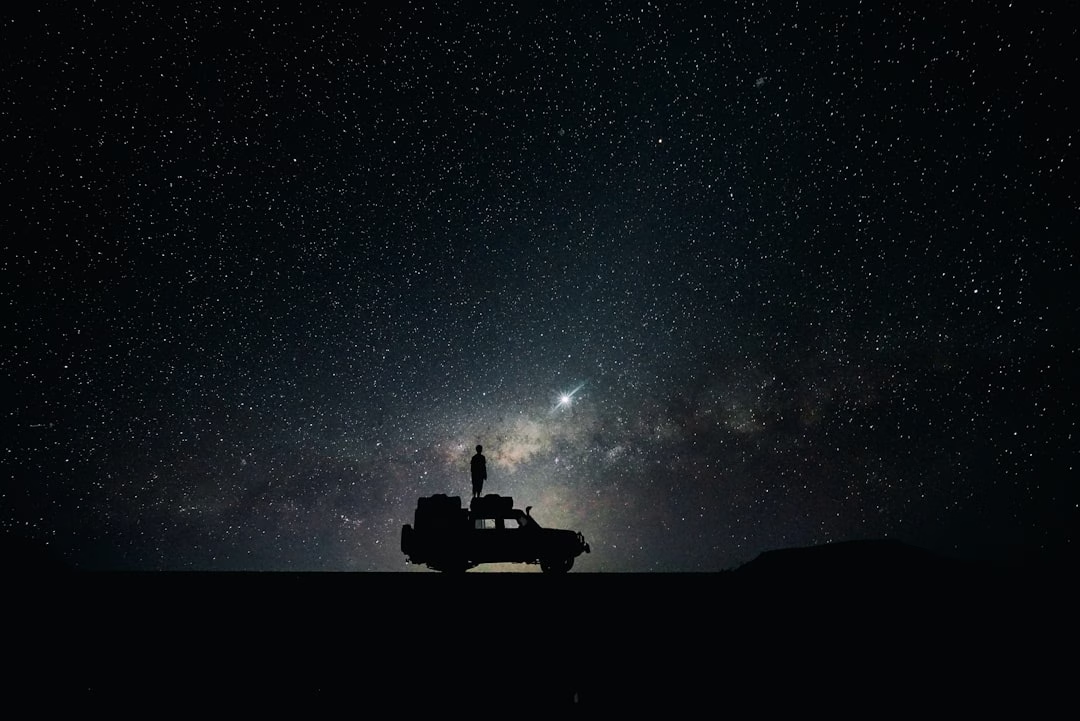

Noctourism new experiences global travelers are shifting dramatically — 67% of international travelers are planning stargazing trips in 2026, and honestly, this isn't some niche movement anymore. This is mainstream. The night isn't winding down the vacation anymore. It's the main event.
Here's what's happening: over 60% of travelers across 33 countries now express interest in nocturnal experiences — safaris, stargazing, and urban walks after sunset. That's more than half the traveling world. And the numbers keep climbing.
But before you think noctourism new experiences global is just hipsters chasing dark skies, know this. The shift is hardwired into reality. Daytime temperatures in popular destinations like Southern Europe, Southeast Asia, and the Middle East are breaching 40 degrees Celsius, making traditional midday sightseeing tours physically punishing.
Travelers aren't willing to suffer for a postcard anymore. The night, it turns out, is where the world actually lives.
Noctourism New Experiences Global: Why It's Happening Now
Climate change is the most immediate catalyst — as daytime temperatures increasingly breach 40 degrees Celsius in Southern Europe, Southeast Asia, and the Middle East, the traditional midday sightseeing tour has become punishing.
But there's more to it than just heat avoidance. The planet doesn't sleep when we do — nearly 70 percent of mammal species in Africa are nocturnal, and the traditional daytime safari actually misses the majority of the action. You're traveling 6,000 miles to see a sleeping leopard. That's not a vacation; that's a waste.
Light pollution now affects the vast majority of populated areas, with more than 80 percent of the world's population living under light-polluted skies, and the Milky Way no longer visible to over one third of humanity. When you finally get to see a real night sky, it hits differently. There's an almost spiritual pull to it.
I spent two weeks in the Atacama Desert in 2024, staring at stars I'd never seen before. Stars my city ancestors would've seen every night. Sounds cheesy, but seeing the Milky Way stretched across the sky like that — it changes you. That's what noctourism new experiences global is really selling.
Where Noctourism New Experiences Global is Actually Happening Right Now
Dark sky reserves in Portugal, France, and Ireland lead the rise, with the Observatório Oficial Dark Sky Alqueva in Portugal's Alentejo region spanning 10,000 square kilometers and recognized for lakeside stargazing and "star-bathing" programs, winning top honors at the Tourism Leaders Awards 2026.
In France, the Pic du Midi de Bigorre observatory in the Pyrenees sits at approximately 3,000 meters altitude, with tourism operators enforcing strict light control regulations to preserve night-sky viewing quality.
But noctourism new experiences global extends way beyond astronomy. Here's what's actually booked out:
- Tauck's Arctic Days and Northern Lights cruise sold out for 2026 before prices were even live
- Private nocturnal wildlife expeditions in the Pantanal offer travelers chances to witness anacondas, jaguars, caymans and other magical creatures of the night in their natural habitat
- In places like Puerto Rico and the Maldives, the ocean glows neon blue at night — a phenomenon invisible by day that requires no artificial lighting, only the movement of water (bioluminescent plankton)
The Atacama Desert stargazing tours. The glowing beaches of the Maldives. Northern Lights chases across Scandinavia. This isn't fringe stuff. Luxury tour operator Wayfairer Travel saw nocturnal excursions rise by 25% in 2024.
The Business Side: Why Cities and Operators are Betting Big on Night
Destinations are diversifying their offerings, developing specific nocturnal attractions like evening museum hours, night zoos (when animals are often more active), and specialized night tour packages to capitalize on this trend.
The economics are straightforward. Greater availability of evening activities allows visitors more flexibility within their trip and may help to convert day trips to overnight trips and encourage longer stays. One more night in a hotel means another dinner reservation, bar tab, museum ticket.
The global astrotourism market is valued at roughly one billion dollars in 2025 and is projected to reach three billion by 2032, a compound annual growth rate near 15 percent. Let that sink in. Tripling in seven years.
Cities are waking up to this. In Asia, night markets have long been spots where locals and tourists can mingle, enjoying food, shopping, and entertainment when the workday is done — and now they're getting the infrastructure investment they've deserved.
But here's the catch: managing noctourism new experiences global responsibly is harder than it looks. You can't just flip on night lights and call it tourism development. Tourism operators are coordinating with local municipalities to enforce strict light control regulations, preserving the quality of night-sky viewing. The whole point is darkness. Turn it into a neon parking lot, and you've killed the experience.
Three Types of Noctourism Travelers are Actually Booking
Not everyone wants the same night experience. The market is splintering.
The Astrophotographer. 67% of international travelers planning stargazing trips in 2026 aren't just looking up. They're bringing €2,000+ cameras. They're checking moon phases and light pollution forecasts. They want Pic du Midi or Alqueva or the Atacama. They're willing to travel for 10 hours if the Perseid meteor shower timing is perfect.
The Wildlife Nocturnal Explorer. Parks in South Africa and Kenya are seeing a surge in demand for night drives where travelers can witness aardvarks, leopards, and honey badgers in their active states, rather than sleeping under a bush. These travelers aren't space nerds. They're nature fanatics. The night brings the animals out. That's the magic.
The Urban Noctourist. Some people don't want to fly to Iceland. They want the evening museum tour in their home city. They want late-night markets, after-dark food tours, midnight theater. This is where overtourism relief actually happens — spreading the foot traffic across 24 hours instead of cramming it into 8.
Frequently Asked Questions
What Exactly is Noctourism New Experiences Global?
Noctourism new experiences global describes the growing trend of travel experiences designed specifically for nighttime — from stargazing at dark-sky reserves to night safaris to late-opening museums and evening city tours. It's travel focused on experiences that are only possible, or uniquely better, after dark. The movement combines climate adaptation, environmental discovery, and the search for uncrowded alternatives to daytime tourism.
Why is Noctourism New Experiences Global Growing So Fast in 2026?
The primary drivers are heat (daytime temperatures exceeding 40°C in major destinations make evening travel more comfortable), the visibility of nocturnal wildlife (70% of African mammals are active at night), light pollution loss (making dark skies precious and rare), and simple crowd avoidance. Additionally, interest is projected to peak around August 12, 2026, when the Perseids meteor shower reaches its annual maximum, creating bookable windows for noctourism new experiences global.
Is Noctourism New Experiences Global Safe? What are the Challenges?
Safety is legitimate concern — limited public transportation at night, restricted access to some attractions, and potential safety risks in unfamiliar dark areas. Challenges include limited public transportation and restricted access to some attractions, though destinations are adapting by improving safety measures, offering guided nocturnal tours, and creating new nighttime attractions. Always book with operators, avoid solo late-night wandering in unfamiliar cities, and stick to established noctourism new experiences global venues.
How Much More Expensive is Noctourism Travel than Traditional Daytime Tourism?
Pricing varies wildly. Tauck's Arctic Days and Northern Lights cruise sold out for 2026 before prices were even live, suggesting premium positioning. A Booking.com survey indicates specialized night safaris and astrotourism command 20-40% premiums over daytime equivalents, though evening museums and city walking tours often cost the same as their daytime versions. Budget matters less than availability — noctourism new experiences global are filling up fast in 2026.
Which Destinations are Best for Noctourism in 2026?
Portugal's Observatório Oficial Dark Sky Alqueva, spanning 10,000 square kilometers, leads for stargazing. France's Pic du Midi de Bigorre observatory in the Pyrenees at approximately 3,000 meters ranks second. For wildlife, Kenya and South Africa night safaris dominate. For urban noctourism, Buenos Aires (tango clubs), Tokyo (night markets), and Palermo (late-night walks) lead. For ocean bioluminescence, Puerto Rico and the Maldives are unmatched. The best choice depends on whether you want astronomy, wildlife, culture, or natural phenomena.
The Real Takeaway
Noctourism new experiences global isn't a fad. It reflects a shift in mindset that has been building for years, fully taking hold in 2025 as one of the most significant trends in global tourism.
You're not just avoiding crowds or heat anymore (though you are). You're experiencing the planet the way most of it actually lives. The vast majority of Earth's animals are active at night. The sky only reveals itself in darkness. Some of the most electric cities come alive after sunset.
If you're planning travel in 2026, stop thinking of nightfall as the end of your day. It's where the real trip starts. The destinations that figured that out already have 2026 booked solid. The ones that haven't? They're losing money and visitors.
And if you're a traveler tired of the same daytime grind — crowded Colosseum tours, sweating through museum visits, yet another "golden hour" photo in a packed plaza — the night is already calling. It's cooler. It's wilder. It's where the world actually is.

