


Bicycles have been a beloved mode of transportation, recreation, and sport in the United States for over a century. Bikes have seen many advances and improvements, from the first high-wheel bicycles of the 1800s to today’s sleek and modern designs.
Recently, cycling’s popularity has seen a meteoric rise due to an increasing interest in health and fitness and environmental awareness. With more bike brands and models available, riders can easily find one that meets their needs and preferences.
In this article, we’ll look at some of the top bike brands in America, from established names with long histories to younger companies pushing design and innovation boundaries. Whether you’re a casual rider, commuter, or serious cyclist, there is sure to be a bike on this list that catches your attention.
Here are some of the top bike brands in America:
10. Surly Bikes
Surly is a well-known bike brand in the United States that has earned itself an admiring following among cyclists who value durability, versatility, and style. Established in 1998, Surly bikes boast steel frames designed for various riding conditions – from rough trails to city streets.
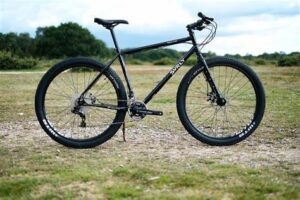
Here are some of Surly’s benefits and drawbacks:
Pros:
- Durability: Surly bikes are built to last with robust steel frames and components that handle daily abuse.
- Versatility: Many Surly models are engineered with features like rack mounts and wider tires that make them suitable for various riding styles and conditions.
- Customization: Surly offers a wide selection of frame sizes and component choices, enabling riders to tailor their bikes to individual needs and tastes.
- Surly bikes stand out with their quirky names and eye-catching designs that set them apart from other brands.
- Community: Surly has an enthusiastic fan base of riders who embrace the brand’s philosophy and approach to cycling, creating a sense of belonging and camaraderie around the brand.
Cons:
- Weight: Surly bikes tend to be heavier than other brands due to the use of steel frames and components, making them less suitable for riders who prioritize speed and agility.
- Price: Surly bikes tend to be pricey, with many models costing more than other brands. This may make them unattainable for budget-conscious riders.
- Availability: Surly bikes are not as widely distributed as other brands, making it more challenging to locate and test-ride them before purchasing.
- Style: While Surly Bikes’ unique aesthetic may appeal to some riders, it may not be everyone’s cup of tea. Some might prefer a more classic or minimalist aesthetic.
Surly bikes are excellent for riders who prioritize durability, versatility, and a distinctive style. While they may not be ideal for everyone, Surly offers a range of features and options that make them suitable for various riding styles and conditions.
9. Kona Bikes
Kona has been a well-established bike brand in the United States for over three decades, known for its high-quality bikes that can handle any riding style – from road cycling to mountain biking.

Here are some of the pros and cons associated with Kona bikes:
Pros:
- Quality: Kona bikes are renowned for their superior construction and components built to last and deliver a smooth ride.
- Versatility: Many Kona models are engineered with wider tires and disc brakes that make them suitable for a range of terrains and riding styles.
- Innovation: Kona is known for their daring designs, with bikes like the Honzo and Process pushing what’s possible in mountain biking.
- Comfort: Kona bikes are often designed with comfort, featuring features like suspension and ergonomic handlebars that make long rides more enjoyable.
- Community: Kona has an enthusiastic following of cyclists who appreciate its approach to cycling and its involvement within the cycling community.
Cons:
- Price Point: Kona bikes tend to be expensive, with many models costing more than other brands in their category. This may make them unaffordable for budget-conscious riders.
- Weight: Some Kona models may be heavier than expected, making them less suitable for riders who prioritize speed and agility.
- Availability: Kona bikes are not as widely distributed as other brands, making it harder to locate and test-ride them before purchasing.
- Style: Kona bikes are renowned for their quality and innovation, but their design may not suit everyone’s taste. Some riders may prefer a more classic or minimalist aesthetic.
- Customer Service: Some Kona customers have reported unsatisfactory customer service experiences, especially regarding warranty claims.
Overall, Kona bikes are an excellent option for riders who value quality, versatility, and innovation. While they may not be suitable for everyone, their range of features and options makes them suitable for various riding styles and conditions.
8. Salsa Cycles
Salsa is a well-known bike brand in the United States that has built a reputation for producing high-quality bikes designed for adventure and exploration. Established in 1982 and headquartered in Minnesota.

Here are some of the pros and cons of Salsa bikes:
Pros:
- Adventure-Ready: Salsa bikes are built for adventure and exploration with features like wide tires and comfortable geometry that make them ideal for long rides on varied terrain.
- Durability: Salsa bikes are built to last, boasting sturdy frames and components that can withstand tough riding conditions.
- Versatility: Many Salsa models are engineered for versatility, featuring features like rack mounts and fender compatibility that make them suitable for various riding styles and conditions.
- Innovation: Salsa is known for its daring designs, with bikes like the Fargo and Cutthroat pushing what’s possible in adventure cycling.
- Community: Salsa has an enthusiastic following of cyclists who appreciate its approach to cycling and its involvement in the cycling community.
Cons:
- Price Point: Salsa bikes tend to be expensive, with many models costing more than other brands in their category. This may make them unattainable for budget-conscious riders.
- Weight: Salsa bikes tend to be heavier, making them less suitable for riders who prioritize speed and agility.
- Availability: Salsa bikes are not as widely available as other brands, making it harder to locate and test-ride them before purchasing.
- Style: Salsa bikes are renowned for their quality and innovation; however, their design may not suit everyone’s taste. Some riders may prefer a more classic or minimalist aesthetic.
- Customer Service: Some Salsa customers have reported poor customer service experiences, particularly regarding warranty claims.
Overall, Salsa bikes are an excellent option for riders who value adventure, durability, and versatility. While they may not be perfect for everyone, their features and options suit many riding styles and conditions.
7. Pivot Cycles
Established in 2007, Pivot is a relatively recent bike brand from the United States that has quickly earned a reputation for producing high-quality bicycles designed with performance and longevity in mind.
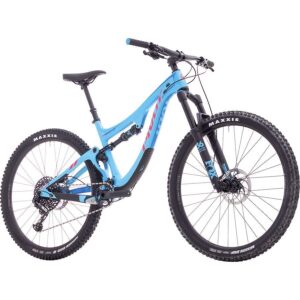
Here are some of the pros and cons associated with Pivot bikes:
Pros:
- Performance: Pivot bikes are engineered with performance in mind, featuring lightweight frames and efficient suspension systems that make them ideal for fast, technical riding.
- Durability: Pivot bikes are built to last, with sturdy frames and components that withstand rough riding conditions.
- Versatility: Pivot offers a selection of bike models designed for various riding styles, from cross-country to downhill.
- Innovation: Pivot has earned a reputation for its daring designs, with bikes like the Mach 5.5 and Switchblade pushing mountain biking’s limits.
- Customer Service: Pivot has earned a reputation for excellent customer service, boasting an experienced team available to answer any queries or issues customers may have.
Cons:
- Price Point: Pivot bikes tend to be pricey, with many models costing more than other brands. This may make them unattainable for budget-conscious riders.
- Weight: Pivot bikes tend to be heavier than other brands, making them less suitable for riders who prioritize speed and agility.
- Availability: Pivot bikes may not be as widely available as other brands, making it harder to locate and test-ride them before purchasing.
- Style: Pivot bikes are renowned for their performance and design; however, some riders may prefer something more traditional or minimalist in aesthetic.
- Customization: Pivot provides limited customization options, which could deter riders wishing to personalize their bikes.
Overall, Pivot bikes are an excellent option for riders who prioritize performance, durability, and innovation. While they may not be perfect for everyone, their features and options suit various riding styles and conditions. Furthermore, Pivot’s reputation for excellent customer service makes them a great option for those who value support from their bike manufacturer.
6. Yeti Cycles
Yeti is a high-end bike brand from the United States that has earned itself an admirable reputation for producing high-performance bikes designed for racing and trail riding.

Here are some of the pros and cons of Yeti bikes:
Pros:
- Performance: Yeti bikes are designed with performance in mind, boasting lightweight frames and efficient suspension systems that make them perfect for fast, technical riding.
- Durability: Yeti bikes are designed with strength, featuring durable frames and components that withstand tough riding conditions.
- Innovation: Yeti stands out for its innovative designs, such as the SB6 and SB130, which push mountain biking’s limits.
- Style: Yeti bikes stand out on the trail thanks to their vibrant colors and bold graphics.
- Community: Fans of Yeti appreciate the brand’s approach to cycling and its involvement within the cycling community.
Cons:
- Price: Yeti bikes are among the priciest on the market, with many models costing more than other high-end brands. This may make them less accessible for budget-conscious riders.
- Accessibility: Yeti bikes may not be as widely available as other brands, making it harder to locate and test-ride them before purchasing.
- Weight: Some Yeti models tend to be heavier than average, making them less suitable for riders prioritizing speed and agility over size.
- Customization: Yeti offers limited customization options, which may deter riders looking to customize their bikes.
- Customer Service: Some Yeti customers have reported poor customer service experiences, particularly regarding warranty claims.
Yeti bikes are an excellent option for riders prioritizing performance, durability, and innovation. While they may not be suitable for everyone, their features and options suit a range of riding styles and conditions. Furthermore, Yeti’s passionate fan base and involvement within the cycling community make them attractive options to those who appreciate cycling culture and community.
5. Santa Cruz
Santa Cruz is a well-known bike brand in the United States that produces high-quality bikes designed for performance and longevity.

Here are some of the pros and cons associated with Santa Cruz bikes:
Pros:
- Performance: Santa Cruz bikes are engineered with performance in mind, featuring lightweight frames and efficient suspension systems that make them perfect for fast, technical riding.
- Durability: Santa Cruz bikes are built to last, featuring sturdy frames and components that withstand rough riding conditions.
- Versatility: Santa Cruz offers a selection of bike models tailored for different riding styles, such as cross-country or downhill riding.
- Innovation: Santa Cruz is known for its daring designs, with bikes like the Hightower and Bronson pushing mountain biking’s boundaries.
- Customization: Santa Cruz offers vast customization options that allow riders to tailor their bikes according to individual needs and tastes.
Cons:
- Price: Santa Cruz bikes tend to be among the pricier on the market, with many models costing more than other high-end brands. This may make them unaffordable for budget-conscious riders.
- Availability: Santa Cruz bikes may not be as widely available as other brands, making it harder to locate and test-ride them before purchasing.
- Weight: Some Santa Cruz models tend to be heavier than their competition, which could make them unsuitable for riders who prioritize speed and agility over strength.
- Customer Service: Some Santa Cruz customers have reported poor customer service experiences, particularly with warranty claims.
- Style: Santa Cruz bikes are renowned for their performance and innovation; however, their design may not suit everyone’s taste. Some riders may prefer a more classic or minimalist aesthetic.
Overall, Santa Cruz bikes are excellent for riders prioritizing performance, durability, and customization options. While they may not be suitable for everyone, their range of features and options make them suitable for various riding styles and conditions. Furthermore, Santa Cruz’s reputation for innovation and high-quality construction make them popular choices among riders willing to invest in quality equipment that will last years.
4. Cannondale
Cannondale is a well-known bike brand in the United States that has been around for four decades. They produce everything from road bikes to mountain bikes and everything in between, offering customers plenty of choices.
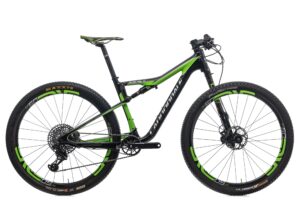
Here are some pros and cons associated with Cannondale bikes:
Pros:
- Performance: Cannondale bikes are engineered for performance, boasting lightweight frames and efficient suspension systems that make them perfect for fast, technical riding.
- Innovation: Cannondale bikes are renowned for their avant-garde designs, such as the SuperSix EVO and Jekyll, that push cycling’s limits.
- Durability: Cannondale bikes are built to last with sturdy frames and components that withstand even tough riding conditions.
- Versatility: Cannondale offers a selection of bike models tailored for different riding styles, such as road racing or off-road adventures.
- Comfort: Cannondale bikes boast comfortable ergonomic designs which help reduce fatigue and discomfort during long rides.
Cons:
- Price: Cannondale bikes tend to be on the pricier end of the spectrum, with many models costing more than other high-end brands.
- Accessibility: Cannondale bikes may not be as widely accessible as some other brands, making it harder to locate and test-ride them before purchasing.
- Style: Some riders may not enjoy the unique aesthetic of Cannondale bicycles, which could prove divisive.
- Customization: Cannondale offers limited customization options, which may be a detriment for riders who want to customize their bikes.
- Weight: Some Cannondale models tend to be heavier than average, making them less suitable for riders prioritizing speed and agility over speed and size.
Cannondale bikes are an excellent option for riders prioritizing performance, durability, and comfort. While they may not be suitable for everyone, their features and options suit various riding styles and conditions. Furthermore, Cannondale’s reputation for innovation and high-quality construction make it a popular choice among riders willing to invest in quality equipment that will last for years.
3. Giant
Giant has been a well-known bike brand in the United States for over four decades. Their selection of bikes includes road bikes, mountain bikes, and everything in between – giving customers plenty of options.
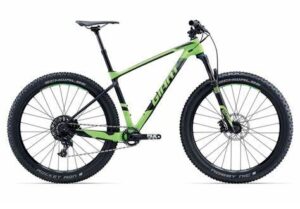
Here are some pros and cons associated with Giant bikes:
Pros:
- Value: Giant bikes are known for offering great value at their price point, with many models boasting top-of-the-line features at more budget-friendly costs.
- Variety: Giant offers a wide selection of bike models to meet riders’ needs and preferences.
- Performance: Giant bikes are engineered for performance, featuring lightweight frames and efficient suspension systems ideal for fast, technical riding.
- Durability: Giant bikes boast robust frames and components that last in even harsh conditions.
- Comfort: Giant is known for its comfortable and ergonomic designs that can help reduce fatigue and discomfort during long rides.
Cons:
- Accessibility: Though Giant bikes are popular, they may not be as widely available as some other brands, making it harder to locate and test-ride them before making a purchase.
- Customization: Giant offers limited customization options, which may be a deterrent for riders who want to customize their bikes.
- Style: Some riders may not appreciate Giant’s distinctive aesthetic, which could prove divisive among riders.
- Weight: Some Giant models may be heavier than expected, making them less suitable for riders who prioritize speed and agility.
- Innovation: While Giant provides a wide selection of bikes, some riders may feel their designs lack creativity compared to other high-end brands.
Giant bikes offer value, performance, and comfort at an affordable price point. At the same time, they may not offer as much customization or innovation as some other brands, but their wide range of features and options make them suitable for various riding styles and conditions. Furthermore, Giant’s reputation for durability and affordability makes them popular choices among riders looking for high-quality bikes without breaking the bank.
2. Specialized
Specialized is a well-known bike brand in the United States that has existed for four decades. Their selection of bikes covers everything from road bikes to mountain bikes and everything in between, providing customers with plenty of options.
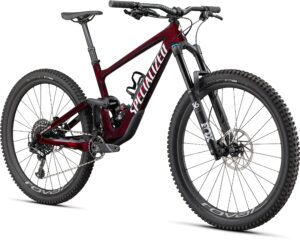
Here are some pros and cons associated with Specialized bikes:
Pros:
- Performance: Specialized bikes are engineered with performance in mind, boasting lightweight frames and efficient suspension systems that make them perfect for fast, technical riding.
- Innovation: Specialized is known for its groundbreaking designs, with bikes like the Venge and Stumpjumper pushing cycling’s limits.
- Comfort: Specialized stands out with comfortable ergonomic designs, which help reduce fatigue and discomfort during long rides.
- Customization: Specialized offers vast customization options, allowing riders to personalize their bike and create an exclusive riding experience.
- Durability: Specialized bikes are built tough with durable frames and components that can withstand tough riding conditions.
Cons:
- Price: Specialized bikes tend to be on the pricier end of the spectrum, with many models costing more than other top-end brands.
- Accessibility: Specialized bikes may not be as readily available as other brands, making it harder to locate and test-ride them before purchasing.
- Weight: Some Specialized models may be heavier than expected, making them less ideal for riders who prioritize speed and agility.
- Style: Not everyone may appreciate the distinctive aesthetic of Specialized bikes – which may cause division among riders.
- Maintenance: Specialized bikes may require more upkeep than other brands, particularly if they feature complex designs or components.
Specialized bikes are an excellent option for riders who prioritize performance, innovation, and customization. While they may not be perfect for everyone, their features and options make them suitable for various riding styles and conditions. Furthermore, Specialized’s reputation for durability and high-quality construction make it a popular choice among riders willing to invest in quality gear that will last for years.
1. Trek
Trek is one of the leading bike brands in America, known for its top-quality and dependable bikes.
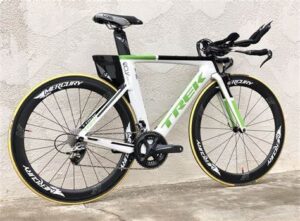
Here are some pros and cons associated with Trek bikes:
Pros:
- Performance: Trek bikes are engineered for high performance, featuring lightweight frames and efficient suspension systems ideal for fast and technical riding.
- Durability: Trek bikes boast sturdy frames and components that withstand tough riding conditions.
- Variety: Trek offers an expansive selection of bike models, from road bikes to mountain bikes and everything in between, making it simple for riders to find a bike that meets their needs and preferences.
- Comfort: Trek is renowned for its comfortable and ergonomic designs that help reduce fatigue and discomfort during long rides.
- Innovation: Trek is constantly pushing the limits of cycling performance and design with bikes like the Domane and Fuel EX.
Cons:
- Price: Trek bikes tend to be on the pricier end of the spectrum, with many models costing more than other top-end brands.
- Accessibility: While Trek bikes are a well-known brand, they may not be as widely accessible as some other models, making it harder to locate and test-ride them before purchasing.
- Weight: Some Trek models may be heavier than anticipated, making them less suitable for riders who prioritize speed and agility.
- Style: Not everyone may appreciate the distinctive appearance of Trek bikes, which may prove divisive.
- Maintenance: Trek bikes require more upkeep than other brands, particularly when they have complex designs or components.
Trek bikes are excellent for riders who prioritize performance, durability, and innovation. While they may be more expensive, their reputation for high-quality construction and reliable performance make them popular among serious riders. Furthermore, Trek’s wide range of models and comfortable designs make them suitable for various riding styles and conditions.
Frequently asked questions:
1. What are the most popular bike brands in the US?
Ans: Popular bicycle brands in America include Trek, Specialized, Giant, Cannondale, and Santa Cruz.
2. What Should I Look for When Selecting a Bike Brand?
Ans: When selecting your bike brand, factors like riding style, budget, and terrain should all be considered. Moreover, ensure the brand has an established reputation for quality and dependability.
3. Are high-end bike brands worth the extra cost?
Ans: High-end brands may be worth your while if you’re a serious rider who values performance and durability. On the other hand, casual riders or those on a tight budget might find more value in mid-range brands at an affordable price point.
4. How do I know if a bike brand suits me?
Ans: The best way to determine whether a brand is suitable is to test-ride various models and assess their comfort level. You should also read reviews from other riders and research the brand’s reputation for quality and customer service. This way, you can make an informed decision.
5. Can I purchase a bike online from an established brand?
Ans: Many top bike brands offer online sales through their websites or third-party retailers. But make sure you’re buying from a trustworthy source and that the size and model fit your needs.

