


The way that pension funds influence long-term capital markets isn't some abstract financial theory. It's real money shaping real market outcomes. When CalPERS or Canada's CPP Investments move, bond prices shift. When they shift allocations to private credit, entire funding rounds get cheaper. And when they're spooked? Markets move globally.
Let me be direct: pension funds aren't just participants in capital markets. They're a growing share of the world's investable pension capital controlled by a small set of sophisticated, often in-house-managed institutions with global reach and long horizons. This concentration of power—especially in an era of consolidation—means what they do echoes for years.
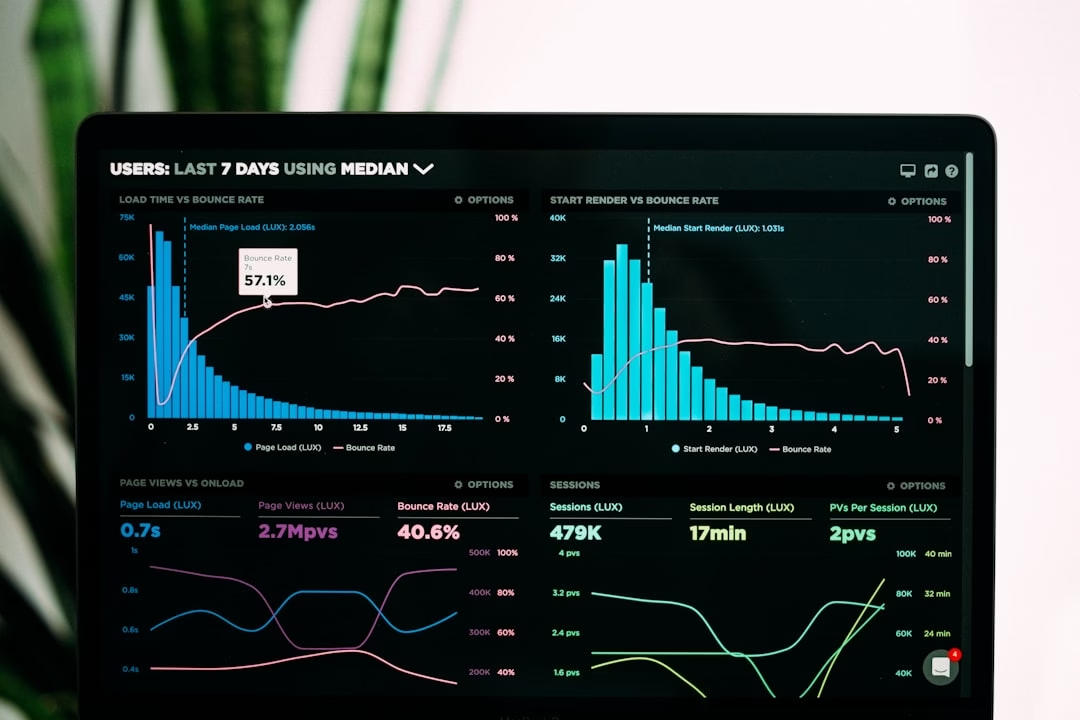
Pension Funds Influence Long-Term Capital Markets Through Asset Allocation Patterns
Here's the thing about pension funds: they move slowly, and they move big. Global pension fund assets across 22 major pension markets now stand at US$68.3 trillion and account for 74% of the GDP of these economies. That's not "significant." That's "they basically set the floor for how capital flows."
Think of it this way. When a pension fund commits to increasing infrastructure allocation by 3%, that's billions of dollars moving into a single asset class. The supply-demand curve shifts immediately. Project costs rise because there's suddenly more competition for deals. Interest rates on infrastructure debt tighten because demand is there. This is how pension funds influence long-term behavior across every corner of the market.
Fiscal 2026 asset allocations were estimated to be 43.99% to equities, 23.79% to fixed income, 14.05% to private capital, 8.62% to real estate, 5.17% to commodities and miscellaneous assets, and 4.38% to hedge funds. Those percentages? They represent trillions deployed across equity markets, private placements, and alternative funds. Small shifts in that mix create massive second and third-order effects.
And here's the part most people miss: pension funds don't react. They anticipate. Between 2023 and 2025, pension funds increased their interest rate hedge ratios above 75%, and post-transfer, funds are expected to unwind part of those hedges, reducing structural demand for ultra-long Dutch and Euro government bonds. These aren't tactical trades. They're structural bets that reshape entire debt markets.
Pension Funds Influence Long-Term Market Cycles and Valuation Pressures
I've watched this happen. A few years ago, private equity fundraising was red-hot. Then pension funds (spooked by returns, illiquidity, and fee pressure) started cutting commitments. Within two quarters, fundraising crashed. Public pension funds have continued to scale back their exposure to private equity in 2026, a trend responding to the underperformance that persists.
The mechanics are straightforward. Pension funds commit capital for 10–15 years. That money has to go somewhere. When they're confident about equity returns, they buy. When they're nervous, they cut. The problem? Their decisions are so large that they can become self-fulfilling prophecies.
Consider what happened with the "denominator effect" in 2022–2023. The so-called denominator effect that pushed many pensions over their targets in 2022–2023 has partially faded as public equity markets recovered, but portfolio constraints persist. What's that mean in English? Pension funds had allocated 40% to stocks, but when bonds crashed, stocks became 45% of their portfolio by accident. They were suddenly overweight. So they had to sell stocks to rebalance. Those sales—multiplied across thousands of funds globally—pushed prices down further.
Now they're disciplining themselves. Pension funds are adopting more disciplined pacing models, and pension systems are now factoring lower expected distributions into their commitment schedules, effectively reducing new capital deployment. Translation? Less dry powder. Less demand for deals. Lower valuations.
How Pension Funds Influence Long-Term Investment in Private Markets and Alternatives
Look at where the money is going. It's not stocks and bonds anymore—not primarily anyway.
Private credit. Private equity. Infrastructure. Real estate. Hedge funds. Allocations to private credit and infrastructure continue to rise, supported by lifecycle designs retaining equity exposure, and this trend should be maintained in 2026. Pension funds are chasing yield because bonds are barely paying. They're chasing return because liabilities are looming.
But here's what's really happening: they're reshaping who gets funded and how. When pension funds allocate 15% to private credit (as many do), they're creating a $10+ trillion market that didn't exist this way 20 years ago. Private credit firms are now competing with banks. Rates are lower. Terms are better. Borrowers win. Banks lose relevance.
Pension funds have at least 8% to 10% of assets invested in AI-related companies; the actual number is certainly higher after factoring in private equity and money with external asset managers. Think about that for a second. Tens of trillions—and we're including PE stakes, public equities, and venture positions—flowing toward a single technology cluster. That's not market-driven anymore. That's pension-fund-driven.
And yet (here's the hedge), not all pension funds do this. The conservative ones—Norwegian Government Pension Fund Global, for example—holds no private equity. Different philosophy entirely. Different outcomes.
Pension Funds Influence Long-Term Through Esg and Sustainability Mandates
If you're running a pension fund in 2026, you're not just maximizing returns. You're managing political pressure, beneficiary expectations, and regulatory scrutiny on climate and governance simultaneously. That's brutal. And it changes where capital flows.
Investors show high interest in resilience, inflation linkage, and energy transition exposure of infrastructure debt and equity, with growing demand for infrastructure debt as a defensive income sleeve, and sustainability priorities include energy efficiency, carbon, climate resilience and community benefits.
Translation: capital is flowing toward projects that might not have the highest raw returns, but check the ESG boxes. Solar farms. Wind projects. Retrofitted buildings. Green bonds.
This is changing the cost of capital for entire industries. A coal company can't raise money anymore. A renewable energy company gets preferred terms. Venture funds that backed fossil fuels lost LP support. The market didn't decide this rationally. Pension funds decided it, because their beneficiaries wanted it—or their boards were afraid enough to act like they did.

Pension Funds Influence Long-Term Capital Markets by Concentrating Power
Here's the uncomfortable truth: pension funds influence long-term markets by becoming too big to ignore. The world's top 300 public pension funds reached an all-time high of $24.4 trillion in assets under management at the end of 2025.
That's not diversification. That's concentration. The biggest pension funds each manage $1.7–2 trillion, and together the top 300 hold about $24.4 trillion; increasingly, the money is pooling into a small club of giants that, by their sheer size, end up owning a slice of almost everything.
So when Norway's sovereign fund—the largest pension fund in the world, at roughly $2.0 trillion as of 2026, returned 15.1% in 2025 and overtook Japan's Government Pension Investment Fund at about $1.9 trillion— shifts even 1% of its portfolio, it's moving $20 billion. That's enough to move markets.
The problem isn't that these funds are bad actors. They're sophisticated institutions with global reach and long horizons; winning even one of these relationships is transformative for asset managers, and understanding each giant's allocation model, governance and liability profile is the price of entry. The problem is sheer size. When three funds own 20% of the global stock market, they're not price-takers anymore. They're price-makers.
Pension Funds Influence Long-Term Through Governance and Capital Discipline
Pension funds used to be passive. Just buy the index. Hold forever. Get a 7% return. Done.
Now? They're activists. They're replacing boards. They're pushing ESG policies. The clear direction is more private investments via third-party specialists, with a sharp increase in operating spending earmarked for risk/data systems and AI investment models in 2026 and beyond; the biggest talent gaps should remain in private markets and co-investments for pension funds with a limited workforce, and the solution appears to be partnerships between institutional investors and retirement institutions.
This is reshaping corporate governance from the inside. When CalPERS votes for a board change, companies listen. When the Dutch pension system pushes climate disclosure, the entire market shifts toward compliance. These aren't votes that change one company. They're votes that set precedent for thousands.
Frequently Asked Questions
What does it Mean that Pension Funds Influence Long-Term Capital Markets?
Pension funds influence long-term capital markets by deploying trillions of dollars into stocks, bonds, and alternatives, which shifts supply-demand dynamics and sets the baseline return expectations for entire asset classes. Their size means even small allocation shifts reshape how capital is deployed globally and influence which companies and projects get funded.
How do Pension Funds Influence Long-Term Market Performance?
Pension funds influence long-term market performance through their rebalancing decisions, allocation shifts, and risk appetite changes. When they reduce equity exposure or shift to alternatives, they create sell or buy pressure that moves prices and changes return expectations. Their multi-decade time horizons also mean they set long-term valuations rather than react to short-term volatility.
Do Pension Funds Influence Long-Term Returns Across All Asset Classes?
Yes. Pension funds influence long-term returns by increasing demand for specific assets—private credit, infrastructure, real estate—which compresses yields and raises valuations. They've driven down real estate cap rates, tightened credit spreads, and made alternative investments more competitive. This benefits some investors (borrowers) and hurts others (yield-seekers).
Why are Pension Funds Shifting to Private Markets Now?
Pension funds influence long-term strategy by moving to private markets because public equity and bond returns are expected to be modest, and private markets offer higher illiquidity premiums. They're also disciplining capital deployment after experiencing underperformance and are looking for yield in an environment where traditional bonds barely keep up with liabilities.
How Much of Global Capital is Controlled by the Largest Pension Funds?
The world's top 300 public pension funds reached an all-time high of $24.4 trillion in assets under management at the end of 2025. The top 10 alone control roughly $15–17 trillion, giving them enough power to move entire markets with coordinated decisions—whether intentional or not.
The Bottom Line: Pension Funds Set the Baseline for How Capital Moves
Here's what you need to know: pension funds aren't just playing the game of capital markets. They've become the game. Global pension assets grew 9.6% year-on-year to reach a record USD 68.3 trillion in 2025, with equities performing especially well and fixed income posting gains in light of global rate cuts and narrowing credit spreads.
The decisions they make today—which asset classes to fund, how much to commit to private markets, which governance standards to enforce—those decisions ripple for decades. They're deciding whether small companies can access capital (they can't, because PE is gobbling up dry powder). They're deciding whether climate projects get cheap money (they do). They're deciding whether corporate boards stay independent (mostly not, if they don't align with ESG).
This isn't a criticism. It's reality. When you control $68 trillion, you have to be strategic. You have to think long-term. You have to matter.
What actually matters for you—whether you're an investor, a founder, or just someone with skin in the game—is understanding this. The next time you see equity valuations compress or real estate cap rates narrow or private credit terms tighten, trace it back. There's probably a pension fund reallocation behind it. And if pension funds influence long-term capital markets the way they do now, that signal probably tells you something worth knowing about where capital is headed next.
Disclaimer: This article is for general informational purposes and is not financial or investment advice. Markets, products, tax rules, and regulations vary by country and change frequently. Consult a licensed financial advisor, qualified investment professional, or other relevant licensed expert in your jurisdiction before making any investment, lending, insurance, or tax-planning decision.

