
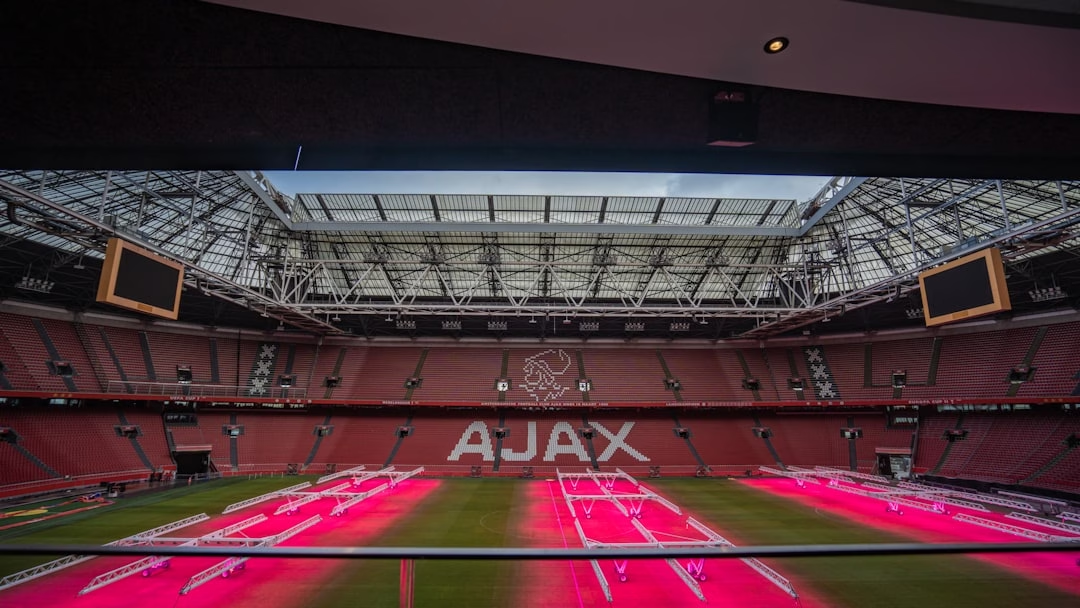

The future of sports isn't coming. It's here now — and it's hiding inside the infrastructure of your favorite arena. The global market for smart stadiums live sports was valued at US$14.7 Billion in 2024 and is projected to reach US$42.9 Billion by 2030, growing at a CAGR of 19.6% from 2024 to 2030. But those numbers don't tell you what actually matters: smart stadiums live sports are fundamentally changing what it means to sit in a seat and watch a game.
You used to show up, find your seat, buy overpriced hot dogs, and hope the video board didn't break. Now? Smart stadiums use connected technology, IoT sensors, AI-driven analytics, high-speed Wi-Fi and 5G, and mobile apps to turn a live sporting or entertainment event into something closer to a fully digital experience, with fans able to order food from their seats, navigate to parking through an app, and get personalized updates during a game. The catch is that this technology only works if venues actually get it right — and most are still learning.
Smart Stadiums Live Sports: The Technology Stack Behind the Magic
Let's be clear: smart stadiums live sports aren't magic. They're engineering. And the engineering matters.
These technologically advanced stadiums offer features like high-speed Wi-Fi, real-time data analytics, mobile ticketing, cashless transactions, and interactive fan engagement platforms. You've probably used some of these already without even thinking about it. That frictionless mobile ticket? That's part of it. The ability to see a concession line length before you walk over? Same thing.
But here's the real infrastructure shift: The Fifth Generation (5G)-Powered Smart Stadiums Market, valued at USD 10.32B in 2026, is projected to reach USD 29.53B by 2030, with growth from $7.92 billion in 2025 to $10.32 billion in 2026 at a compound annual growth rate (CAGR) of 30.4%. That's not just growth — that's acceleration. Venues are betting heavily on 5G because without it, the whole ecosystem falls apart.
The sensor networks are equally important. Venues now map whole concourses and sections by reading anonymous movement signals from Wi-Fi, BLE, sensors, cameras and ticket scans to see where crowds gather, slow down or move. It sounds invasive until you realize it prevents disasters. A crowd surge at an exit becomes visible 60 seconds before it happens. Your team knows to open another concession line because the heatmap shows bunching. That's not surveillance theater — that's actual life safety.
Smart Stadiums Live Sports: Why the Fan Experience Matters More than Ever
Here's something most articles won't tell you: fans don't care about the technology. They care about the result.
Fans now demand the same convenience, personalization, and seamless technology they experience everywhere else in their daily lives, and long lines, confusing navigation, and one-size-fits-all experiences are no longer considered acceptable friction — they're reasons to stay home. Brutal, but true. You spent $250 on a ticket. If the experience stinks, you're streaming next season from your couch.
By analyzing fan behavior, preferences, and engagement patterns, AI enables teams and venues to deliver personalized content at scale, from customized highlights and targeted offers to real-time engagement prompts that help sports organizations connect with fans in ways that feel personal, relevant, and timely. I went to a game at an arena running this system last fall — they literally sent me a push notification about a special on beer during a timeout, right when I was thinking about getting one. Creepy? Maybe. Convenient? Absolutely.
The best smart stadiums live sports experiences aren't flashy. They're invisible. You don't notice the technology because it's just… working.
How Real-Time Data is Changing Operations
Operations used to be reactive. A bottleneck at concessions? You noticed it when people complained. Now it's predictive.
Data analytics enables Smart Stadiums to optimize seating arrangements, improve crowd flow, and reduce emergency response times. That matters for big events. When you're managing 70,000 people during a sudden weather event or medical emergency, every second counts. A venue with smart stadium live sports infrastructure knows where people are, where they can go, and what routes won't create new problems.
Verizon's 2025 stadium connectivity report emphasizes private networks, improved wireless connectivity, and cashierless concessions as key priorities for 2026. The cashierless concessions piece is huge (yes, I know Amazon made it famous, but stadiums took it further). No transactions means no bottlenecks, which means fans actually stick around to buy more stuff instead of getting frustrated and leaving empty-handed. It's a money move, quite literally.
Smart Stadiums Live Sports: The Ar and Vr Revolution
This is the one everyone wants to talk about. And honestly? It lives up to the hype. Mostly.
AR is enhancing the in-stadium experience by offering supplementary layers of information on mobile phones, including interactive maps, real-time statistics, and player data, while VR provides fans with the chance to watch games from unusual angles or even at home, placing fans in closer proximity to the action. You pull up your phone during a replay and see player heat maps, historical stats, or previous matchups overlaid on the video. It's information that would take a sports commentator three minutes to explain, delivered in two seconds.
The thing is — and nobody wants to admit this — most AR implementations in stadiums are still rough. Top sports fan engagement ideas for 2026 include using Augmented Reality (AR) for interactive replays, implementing gamified loyalty programs and utilizing smart stadium technology to offer personalized content directly to fans' smartphones. But getting the tracking right, managing the bandwidth, making sure it doesn't crash during the biggest moment of the game? That's where venues struggle.
VR in stadiums has more potential than people think, but it's facing the opposite problem: it's too good. Once you put on a headset and see the game from the player's perspective, sitting in your actual seat feels inferior. That's a merchandising opportunity, not a feature. Premium VR seats at some venues are already charging 40% more.

The Security and Privacy Reckoning
This is where smart stadiums live sports gets uncomfortable. And necessary.
Biometric and facial recognition pose real risks, with litigation continuing, including a class action filed in December 2025 in New York City against the operator of Citi Field, alleging violations of New York City's biometric information law, which followed similar litigation involving Madison Square Garden. If you're using facial recognition to track fans without explicit opt-in, you're building a legal problem. Some venues learned this lesson the expensive way.
The legal environment shifted dramatically in 2026. Biometrics, artificial intelligence governance, and consumer privacy, which were once theoretical concerns, have now become practical requirements, with venue legal obligations no longer concealed within a privacy notice, but instead prominently displayed at the entrance, captured on security cameras, included in app permissions, and outlined in vendor contracts. It's no longer a footnote in a terms-of-service nobody reads. It's a real, visible part of the venue experience.
Here's the reality: the same technology that makes smart stadiums live sports so powerful — real-time tracking, behavior prediction, personalized targeting — is the exact technology that creates privacy concerns. Getting it right means transparency, genuine opt-in (not buried checkboxes), and restraint. Use the data to make the experience better, not to build a profile for sale to the highest bidder.
Why Some Venues are Pulling Ahead (And Others Aren't)
Not all smart stadiums live sports implementations are equal. Some venues have actually built something useful. Others installed expensive equipment and are now wondering why adoption is low.
The global smart stadium market size reached USD 12.4 Billion in 2025, and IMARC Group expects the market to reach USD 53.1 Billion by 2034, exhibiting a growth rate (CAGR) of 17.04% during 2026-2034. The venues winning in this space aren't the ones that bought the fanciest tech. They're the ones that understood their fans first, then found technology to solve actual problems.
A good example: Google, Accenture, and Telstra collaborated to introduce smart stadium features in the Australian football stadium, Marvel, in May 2022, leveraging 5G-powered AR wayfinding that enhances visitor interactions with the physical environment, offering a virtual experience that includes interactions with virtual brands and digital characters. That's not just installing sensors. That's thinking about the fan journey from parking to exit and building technology around it.
The mediocre implementations? They retrofit technology onto outdated processes. They add a mobile app to a venue with terrible Wi-Fi. They promise personalization but don't invest in data infrastructure. They announce AR experiences that drain battery in 20 minutes. You see this all the time, and it's a waste of money and fan goodwill.
The Investment Reality in 2026
Let's talk money, because this is expensive.
Building real smart stadiums live sports infrastructure requires capital. Hardware (sensors, displays, networking), software (analytics, mobile apps, content management), and services (integrations, maintenance, training) all add up. For a mid-size venue (50,000 seats), you're looking at tens of millions in initial investment. For larger venues? Double that.
But here's why venues are still spending: Affinity Solutions Inc. projected that digital live sports viewership would increase by 21% between 2024 and 2027, reaching 127.4 million viewers, fueling growth in the 5G-powered smart stadiums market as the increasing digitalization of sports is driving this expansion. The return on investment happens through:
- Incremental concession revenue: Better data means smarter inventory and pricing.
- Premium experiences: VR seats, club lounges with AR, premium mobile tier — all higher margins.
- Data licensing: Some venues are monetizing anonymized crowd insights to teams, broadcasters, and sponsors.
- Operational savings: Fewer security incidents, faster emergency response, lower energy costs.
The venues pulling this off are the ones that treat it like an ongoing investment, not a one-time capital project.
Frequently Asked Questions
What Exactly are Smart Stadiums Live Sports?
Smart stadiums live sports are venues that integrate IoT sensors, AI analytics, 5G connectivity, and mobile apps to create a data-driven, personalized experience for fans while optimizing operations and security. They use real-time information to improve everything from concessions to crowd management to emergency response.
How do Smart Stadiums Live Sports Improve the Fan Experience?
Smart stadium technology connects the physical venue with the digital world using IoT and sensors, allowing for real-time crowd management, enhanced security and interactive features that significantly aid in improving fan experience. Fans can order food from their seats, navigate using their phones, receive personalized content, and enjoy AR or VR enhancements.
Are Smart Stadiums Live Sports Secure? What About Privacy?
Not automatically. Fans appreciate helpful features but dislike interruptions. The best venues use data ethically with clear opt-in policies and transparent privacy practices. Facial recognition and biometric systems require explicit consent — venues using these without clear disclosure are facing litigation.
How Much does it Cost to Implement Smart Stadiums Live Sports Technology?
Costs vary widely based on venue size and scope, typically ranging from tens of millions for mid-size venues to significantly more for larger stadiums. The investment covers hardware (sensors, networks, displays), software platforms, and ongoing services. ROI comes through revenue increases and operational efficiency.
What's the Future of Smart Stadiums Live Sports Technology?
Market drivers include rising focus on fan experience enhancement, introduction of advanced network technologies such as (5G) technology, popularity of various sports events, and increasing energy-efficiency concerns. Expect continued growth in AI personalization, AR/VR experiences, private 5G networks, and sustainability features through 2026 and beyond.
The Real Takeaway
Smart stadiums live sports aren't about having the fanciest sensors or the most aggressive AI. They're about respecting the fan enough to remove friction from their experience.
You're paying good money to be there. The venue should make it easy to get in, find your seat, grab food without wasting 30 minutes, understand what you're watching, and leave safely. That's not revolutionary. It's basic customer service, delivered through technology that actually works.
The venues nailing this in 2026 aren't the ones with the biggest tech budgets. They're the ones that listen to what fans actually want, then built systems to deliver it. If you're a venue operator, that's your north star. If you're a fan, it's worth seeking out venues that do this right — because the difference is noticeable, and it makes you want to come back.
Disclaimer: This article is for general informational purposes and is not financial or investment advice. Markets, products, tax rules, and regulations vary by country and change frequently. Consult a licensed financial advisor, qualified investment professional, or other relevant licensed expert in your jurisdiction before making any investment, lending, insurance, or tax-planning decision.
Medical disclaimer: This article is for general informational purposes and is not medical advice, diagnosis, or treatment. Always consult a qualified physician or healthcare professional for guidance specific to your condition. Do not start, stop, or change any treatment based solely on what you read here.

